Rumor Check: Deconstructing Clickbait Headlines Surrounding WNBA Superstar Caitlin Clark
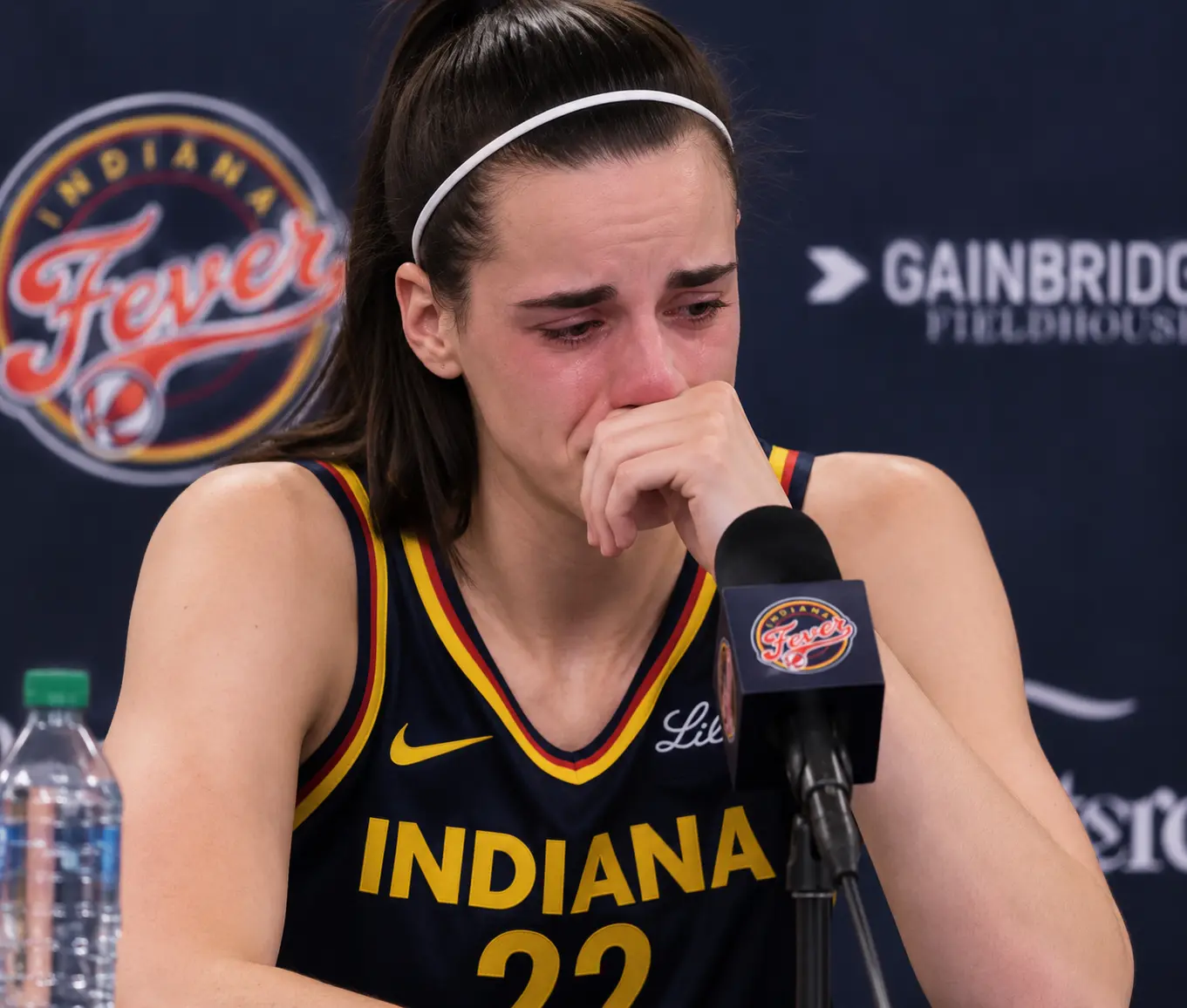
Sensational headlines designed to trigger panic, curiosity, or outrage have become a staple of modern social media feeds. A recent viral post—featuring alarm emojis, a 30-minute countdown premise, and an abrupt cliffhanger—boldly proclaimed: “🚨 30 MINUTES AGO, IN INDIANAPOLIS, INDIANA, INDIANA FEVER STAR CAITLIN CLARK WAS OFFICIALLY CONFIRMED AS..... WATCH MORE 👉”
While posts structured like this frequently circulate across platforms such as Facebook, X (formerly Twitter), and TikTok, they are textbook examples of engagement bait. By leveraging high-profile athletes and time-sensitive framing, malicious accounts attempt to drive traffic to external websites, farm clicks, or gather user data. Here is an analysis of why these headlines trend, the reality of Caitlin Clark’s professional journey, and how readers can navigate online sports journalism responsibly.
The Mechanics of Engagement Bait
The anatomy of a clickbait headline relies heavily on emotional manipulation and psychological triggers. The post in question incorporates several distinct tactics:
- Artificial Urgency: Phrases like "30 MINUTES AGO" create a false sense of immediacy, prompting users to react before verifying the claim.
- The Cliffhanger: Cutting off mid-sentence after "CONFIRMED AS....." exploits the information gap theory. Readers feel compelled to click the link to satisfy their immediate curiosity.
- Emoji Visual Anchors: Emojis like the red siren (🚨) and pointing finger (👉) act as visual call-to-actions, disrupting scrolling patterns on busy feeds.
When users click these links, they are rarely directed to breaking news from reputable sports outlets like ESPN or The Athletic. Instead, they are often redirected to ad-heavy blogs, malicious surveys, or phishing pages designed to capture personal details.
Dissecting the Reality: Caitlin Clark’s Career Trajectory
Caitlin Clark’s transition from collegiate legend at the University of Iowa to a cornerstone of the WNBA’s Indiana Fever has made her one of the most covered athletes in global sports. Because her every move commands national attention, legitimate news regarding her status—whether contract extensions, major brand endorsements, award wins, or injury updates—is reported simultaneously across major news networks.
When genuine developments occur regarding Clark’s career, they follow a standard journalistic protocol:
- Official Team Announcements: The Indiana Fever and WNBA release formal press statements through verified digital channels.
- Beat Reporter Coverage: Established sports journalists with credentials (such as reporters from The Indianapolis Star or ESPN) verify and syndicate the news.
- Transparent Headlines: Legitimate reporting clearly states the outcome in the headline rather than hiding core facts behind a paywall or external link loop.
Whenever an unverified page claims an urgent "confirmation" without providing a source, it is almost certainly a fabricated attempt to ride the wave of Clark's massive digital reach.
The Impact of False Narratives on Women’s Basketball
The rapid growth of the WNBA in recent years has brought unprecedented media visibility. While increased coverage has boosted viewership, attendance, and corporate sponsorship, it has also made the league a primary target for low-quality content farms.
Sensationalized reports often create unnecessary concern among fans regarding player health, trade rumors, or off-court drama. When false narratives spread unchecked, they distract from actual athletic achievements and dilute the quality of discourse surrounding women’s professional sports. Media literacy among fans becomes essential to ensure that genuine coverage remains at the forefront.
How to Spot and Avoid Online Sports Scams
To protect yourself from misinformation and potential cybersecurity risks, consider the following best practices when encountering dramatic sports headlines:
Red FlagVerification StepVague or incomplete headlinesCheck if the claim is stated clearly in the title or post text.Suspicious or shortened linksHover over or examine the domain URL before clicking.Lack of mainstream coverageSearch the athlete's name on trusted news search engines.Overuse of urgent symbols (🚨/⚠️)Treat heavy visual capitalization as a potential warning sign.
The Final Verdict
The viral post claiming an official confirmation regarding Caitlin Clark is a classic example of clickbait designed to exploit the athlete's widespread popularity. Fans seeking authentic updates on Clark and the Indiana Fever should rely exclusively on verified sports media outlets, official league platforms, and direct team announcements. Staying vigilant against sensationalism ensures a safer browsing experience while supporting legitimate journalism in sports.