🚨🏀 HOW TO WATCH: INDIANA FEVER VS. MINNESOTA LYNX — THE SEASON OPENER IS ALMOST HERE, AND THIS IS ONE BATTLE YOU CANNOT AFFORD TO MISS! 🔥⚡ Read more: https://topnewsceleb.com/how-to-watch-in-thaituan123-21b9f9c58ade
MARK YOUR CALENDAR — CAITLIN CLARK AND THE FEVER ARE READY TO OPEN A NEW CHAPTER, WITH FANS WAITING FOR EVERY SECOND OF THIS WNBA SHOWDOWN.
👇 TIP-OFF TIME, TV CHANNEL & LIVE-STREAMING DETAILS IN THE FIRST COMMENT. 👇
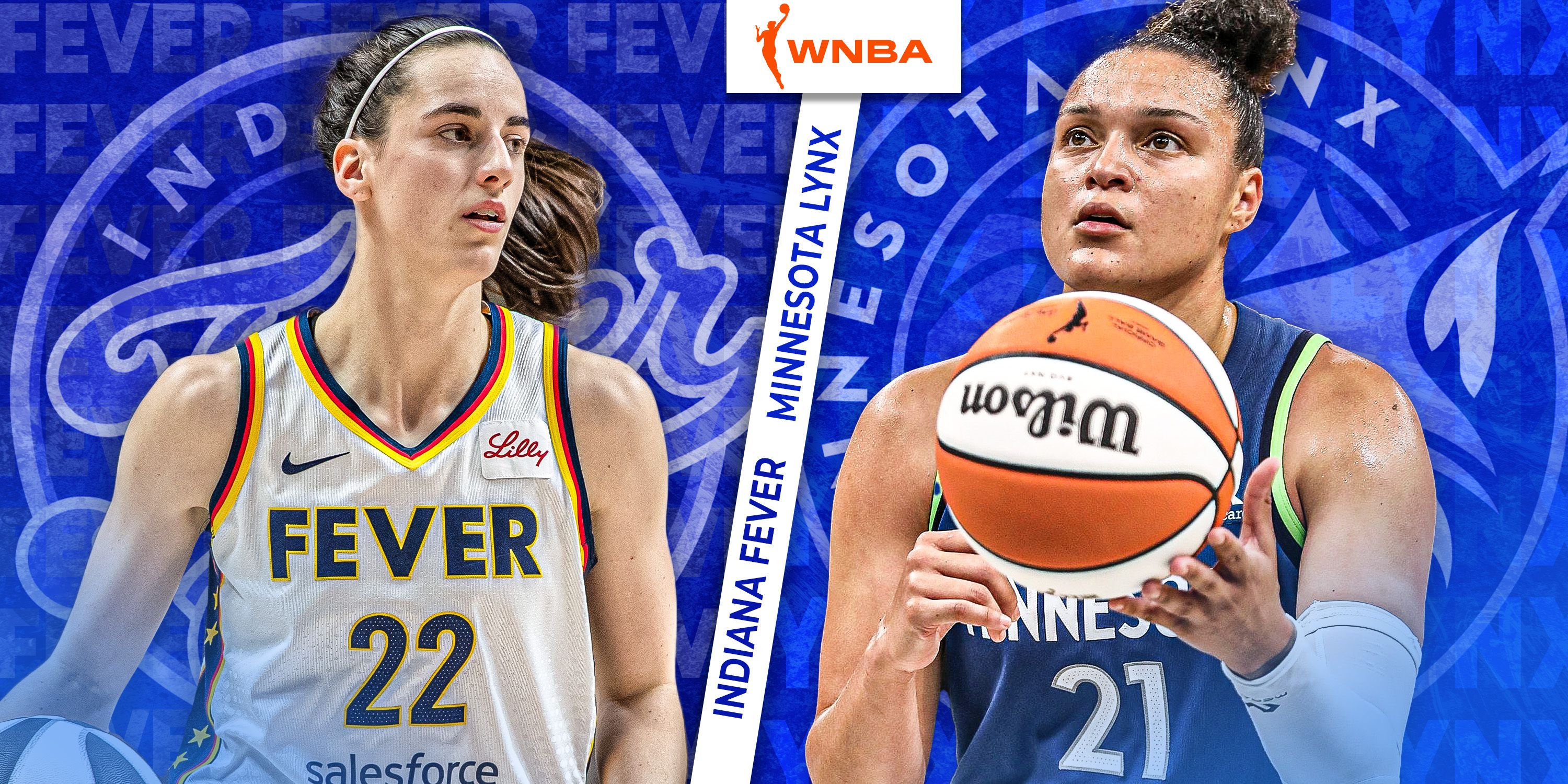
The anticipation surrounding the Indiana Fever is building again, and a matchup against the Minnesota Lynx offers exactly the kind of stage capable of generating attention across the WNBA. For Indiana, the central question will not simply be how many points Caitlin Clark can score. It will be whether the Fever can use the extraordinary defensive attention she commands to create an efficient, balanced offense for everyone around her.
Clark changes the geometry of a basketball court.
Her shooting range means Minnesota cannot comfortably retreat toward the conventional three-point line. Defenders have to pick her up farther from the basket, and that immediately creates additional space behind the first level of the defense.
The Lynx therefore face an uncomfortable choice.
Give Clark room and risk the pull-up three.
Pressure her aggressively and give her opportunities to attack off the dribble.
Send a second defender and potentially leave another Fever player open.
That decision-making battle should become especially important when Indiana runs high pick-and-roll.
Clark receives a screen near the top of the floor, and Minnesota has to declare its coverage.
If the Lynx go underneath, Clark can potentially shoot.
If they fight over, she can turn the corner and attack the lane.
If they switch, Indiana can search for the matchup it wants.
If Minnesota blitzes with two defenders, the Fever need to recognize the numerical advantage created behind the trap.
Clark does not have to beat both defenders herself.
The smartest response may simply be making the pass.
The screener receives the basketball, and Indiana can potentially attack four-on-three.
That is when the possession becomes a test for the entire team.
The player catching the pass has to read the defense immediately. If the lane is open, attack. If Minnesota sends help, find the cutter. If the weak-side defender collapses toward the paint, move the ball to the perimeter.

Hesitation is dangerous because professional defenses recover quickly.
An advantage that exists for two seconds may disappear in three.
That is why Indiana’s supporting cast will be crucial.
Clark can create opportunities, but her teammates have to finish them.
If Minnesota decides somebody other than Clark must make the important shot, Indiana cannot allow that strategy to create uncertainty.
Open shooters need confidence.
Players facing aggressive closeouts need to attack.
Cutters need to recognize when defenders turn their attention toward Clark.
The Fever become significantly harder to defend when every player treats the attention on Clark as an opportunity rather than simply waiting for her to create something spectacular.
Indiana can add another layer by moving Clark away from the basketball.
She does not need to initiate every possession.
Another guard can handle while Clark relocates through screens and along the perimeter. Her defender still has to remain attached because losing track of her can create a clean three-point opportunity.
That attention creates room elsewhere.
A teammate drives.
Clark’s defender cannot fully commit to helping.
The lane opens.
Another Minnesota defender rotates.
Indiana moves the basketball again.
A quality shot appears.
Clark may not score or record an assist, yet her movement can still be responsible for creating the opportunity.
That is offensive gravity, and it can become one of Indiana’s most valuable weapons against a disciplined defense.
Transition offense offers another route.
The Fever can become especially dangerous when Clark receives the basketball before the defense establishes its matchups.
But transition opportunities begin with defensive rebounds.
Minnesota misses.
Indiana has to finish the possession.
If the Lynx recover their own misses, they gain another scoring opportunity while the Fever lose the chance to run.
Indiana’s guards and wings therefore need to contribute on the glass.
Secure the rebound.
Find Clark.
Run.
Clark can immediately scan the floor for a teammate sprinting toward the basket or filling an open lane. One accurate pass can transform a defensive stop into an easy scoring opportunity.
If Minnesota successfully gets back, Indiana should not force something that is not available.
Pull the ball out.
Organize.
Attack again.
Playing fast is useful. Playing recklessly is not.
That distinction becomes especially important with turnovers.
Clark’s creativity is part of what makes her such a dangerous playmaker. Some of her best passes involve windows other players might never attempt to use.
Indiana should not remove that ambition.
But the Fever must control unnecessary risk.
A difficult pass that can produce an uncontested layup may be worthwhile. A forced pass through multiple defenders when a simpler option exists can become costly.
Live-ball turnovers are particularly dangerous because Minnesota can attack immediately in transition.
Shot selection requires similar discipline.
Clark’s deep three-pointers can transform the atmosphere of a game, but Indiana cannot become dependent on spectacular perimeter attempts.
The threat of Clark’s jumper should create easier basketball.
If Minnesota extends toward her, attack behind the pressure.
Use the screener.
Cut toward the basket.
Attack closeouts.
Touch the paint.
Force help.
Then move the ball back outside.
The Fever’s cleanest three-pointer may sometimes come after Indiana first threatens the rim.
Stephanie White’s adjustments will also matter because Minnesota is unlikely to use one defensive strategy throughout the entire game.
The Lynx can change coverage.
They might defend conservatively during one stretch and aggressively trap Clark during another.
They could switch certain screens.
They might deny Clark the basketball during an important late-game possession.
Indiana needs counters ready.
Change the screening angle.
Slip before the trap arrives.
Use an empty corner.
Let another player initiate.
Move Clark through off-ball actions.
Make Minnesota repeatedly solve new problems.
The bench could quietly become another important factor.
Clark cannot control every minute, and Indiana cannot allow the offense to lose all structure whenever she rests.
The second unit does not need to reproduce Clark’s unique influence.
It needs stability.
Protect the basketball.
Generate reasonable shots.
Defend.
Rebound.
Avoid unnecessary fouls.
If the starters leave with an advantage, the bench should make sure they return to a game that remains under control.
Indiana’s defense will be equally important.
There will inevitably be stretches when the Fever’s shots stop falling. Minnesota may successfully remove Indiana’s first offensive option for several consecutive possessions.
That is when defense becomes the safety net.
Communicate around screens.
Contain penetration.
Protect the paint.
Rotate toward shooters.
Close out under control.
Then rebound.
A defensive possession is not complete until Indiana controls the basketball.
The fourth quarter could become the biggest examination of Indiana’s trust.
Imagine the Fever and Lynx are separated by one possession.
Clark receives the basketball.
Minnesota sends two defenders because the Lynx refuse to allow her a clean attempt.
Clark can force the difficult shot, or she can trust the advantage.
She passes.
A teammate attacks.
Minnesota rotates.
The basketball moves again.
An open Fever player receives it.
That player has to be prepared to shoot.
The decisive basket may come from somebody other than Clark while still being created by the defensive attention surrounding Clark.
That is the next stage of Indiana’s offensive development.
A superstar can attract the defense.
A complete team punishes the defense for doing it.
The supplied promotional text describes this matchup as the “season opener” and advertises tip-off time, television-channel and live-streaming information in the first comment, but those specific schedule and broadcast details are not provided here. An exact date, start time, network or streaming platform should therefore not be invented. Fans should confirm the latest information through official WNBA, Indiana Fever, Minnesota Lynx and authorized broadcaster listings.
Once the opening tip arrives, however, the promotional buildup disappears.
Then Indiana has to execute.
Can the Fever punish Minnesota’s pressure on Clark?
Can they control the defensive glass?
Can they protect the basketball?
Can the supporting cast make decisive plays?
Can the bench maintain stability?
And when the game reaches its highest-pressure possessions, can Indiana trust the open player?
Clark will command the spotlight.
Minnesota will attempt to turn that attention into defensive pressure.
The Fever’s task is to transform the same pressure into space, movement and opportunity.
If they can do that consistently, Indiana will have something far more dangerous than one brilliant creator.
They will have an entire offense capable of making opponents pay for trying to stop her.